Croatia Honeymoon Itinerary: Dubrovnik, Hvar & Split
The Honest Introduction
Croatia Is the European Honeymoon I Get the Most Excited About
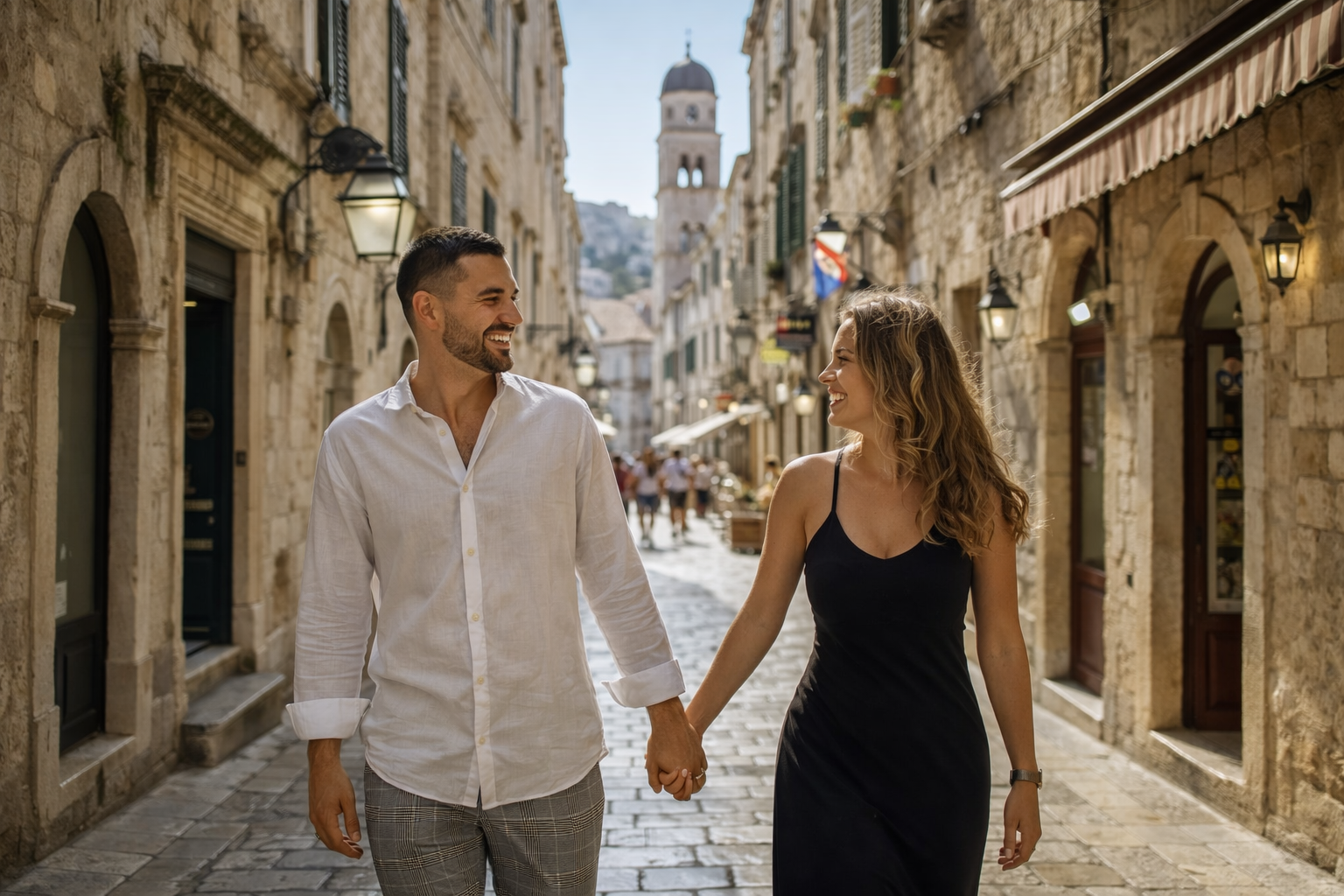
Okay, I need to be upfront about something: I am not a neutral party when it comes to Croatia. It is one of those destinations I have researched obsessively, planned for couples repeatedly, and watched people come home from completely undone in the best possible way. The kind of place where you think you're going for the views and you leave talking about the food, the wine, the light at golden hour, and the fact that you ate dinner three feet from the Adriatic and somehow that became a normal thing for a week.
Croatia is also, in my honest opinion, one of the most underrated honeymoon destinations in Europe and that's exactly why I love sending couples there. You get the drama of the Amalfi Coast without the sardine-can summers. You get boutique luxury and real cultural depth at better value than Italy or France. And you get three completely different destination personalities in one seamlessly connected trip.
Here's the version I plan for honeymooners: Dubrovnik opens the story bold. Hvar softens it into island life. Split closes it with the kind of ancient, grounded history that makes the whole trip feel layered and significant. Together, they create nine to twelve days you'll be describing to people for years.
"Croatia gives you three completely different moods without ever feeling rushed. It's the rare destination where the geography works with you, not against you."
✦ · ✦
Honest Fit Check
Is a Croatia Honeymoon Actually Right for You?
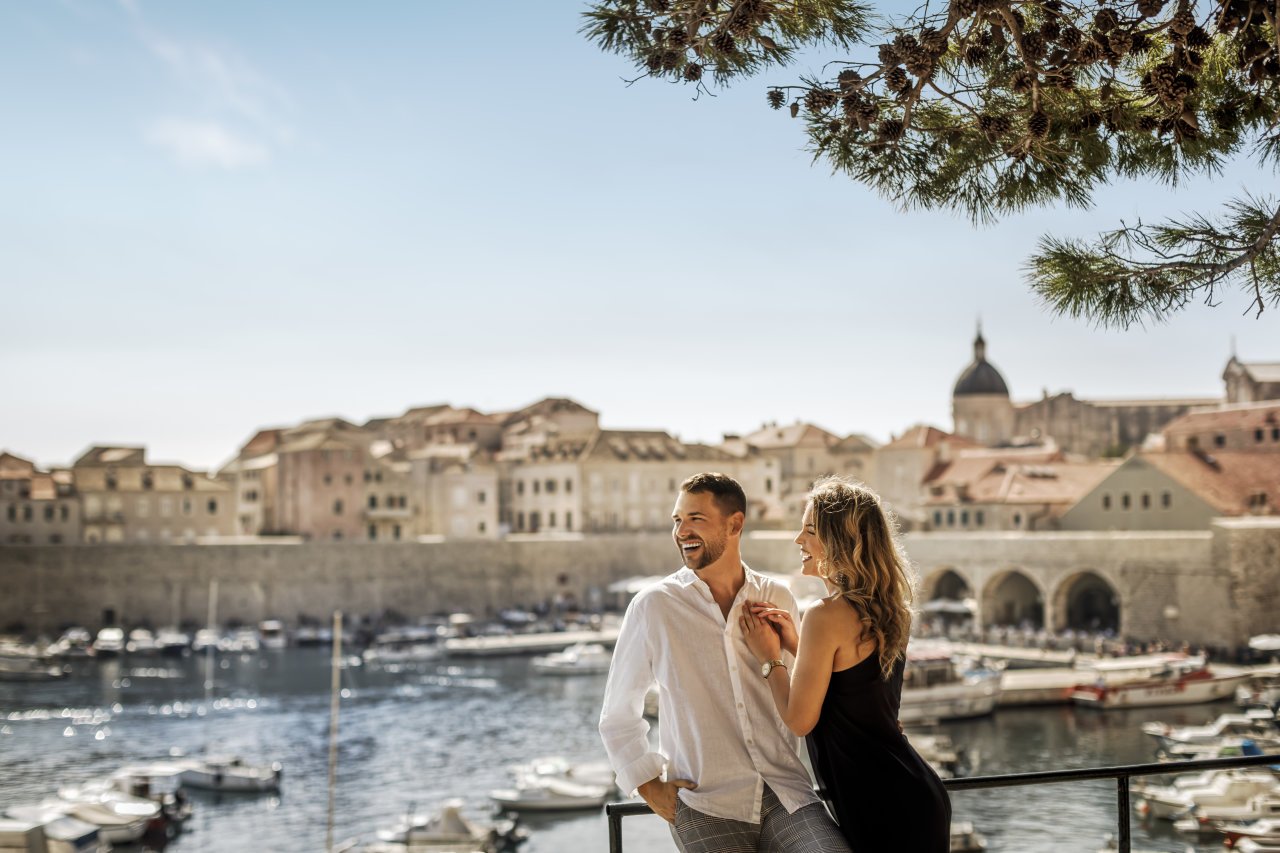
Croatia is not the honeymoon for everyone — and I mean that as a compliment. It's bold, atmospheric, and romantic in a way that doesn't involve a single swim-up bar. If you want turquoise water and a frozen cocktail at an all-inclusive, I've got excellent options for that too. But if any of the below sounds like you, keep reading.
You want a beach vacation that also has a history degree.
Not one or the other. You want to swim in water that looks photoshopped and then wander a 1,700-year-old Roman palace before dinner. Croatia is the only destination I know that lets you do both in the same afternoon.
You've watched Game of Thrones and you know exactly what King's Landing looks like.
Because you're standing in it. Dubrovnik's Old Town is King's Landing — minus the dragons and the deeply stressful family dynamics. Plus rosé. Significantly more rosé.
You have strong feelings about wine and seafood.
Or you want to. By day three you'll have a favorite Croatian wine region and an opinion about black risotto that you'll be telling people about for years.
You find "slow lunch by the water" to be a completely valid activity.
Because it is. A three-hour lunch at a waterfront table in Hvar with a bottle of pošip is not wasted time. It is the whole point.
Your ideal honeymoon day involves a boat.
Not a cruise ship. A small, private-ish boat gliding between islands with swimming stops and lunch onboard and nowhere to be.
You want beach time without the all-inclusive bubble.
You're not looking for a swim-up bar and a wristband. You want the real thing — hidden coves, local restaurants, boutique hotels with Adriatic views and no buffet in sight.
✦ · ✦
Why It Works
Why Croatia Is One of the Best Honeymoon Destinations in Europe
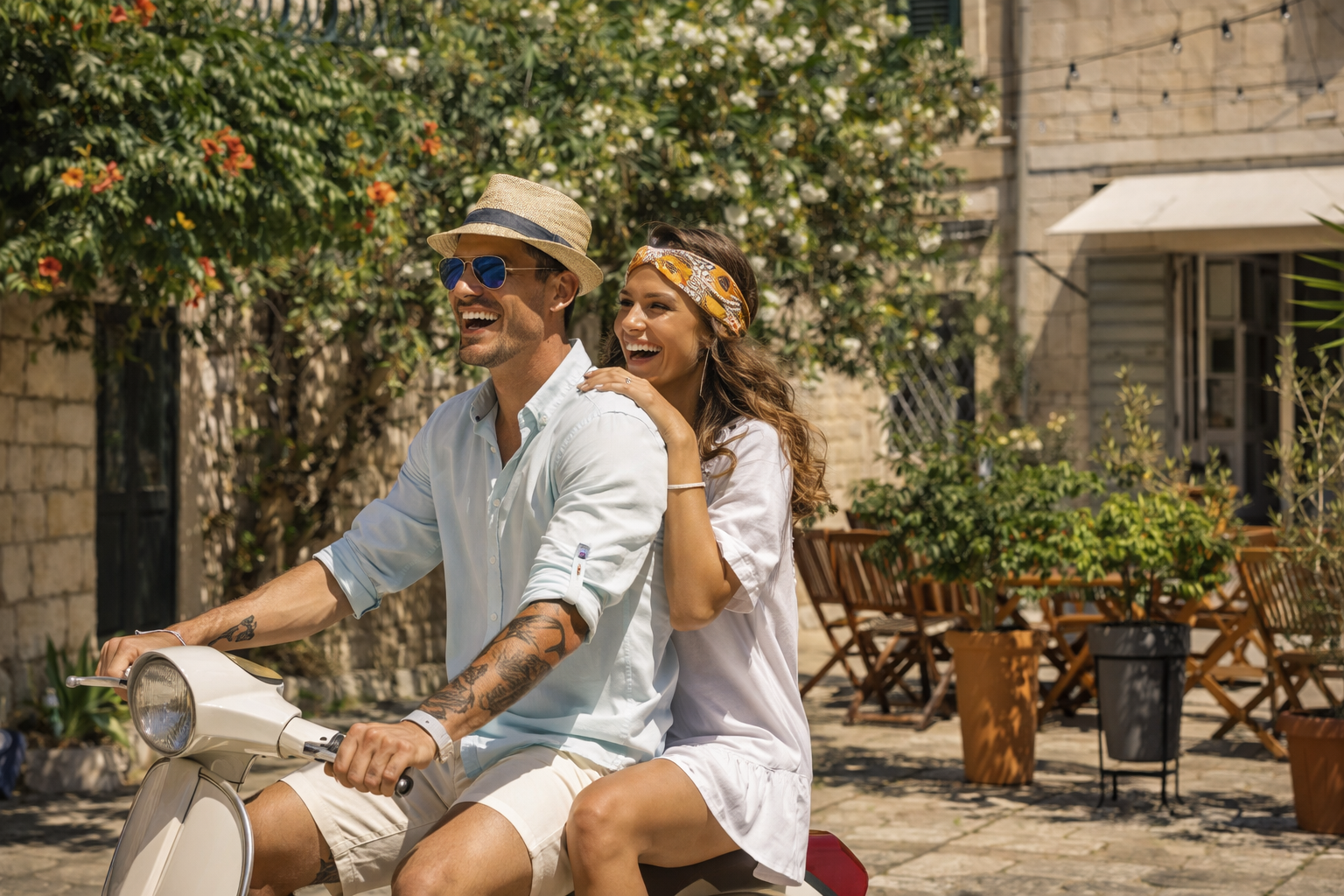
Most honeymoon destinations give you one thing and do it well. Croatia gives you three things and does all of them beautifully. Medieval walled cities. Island glamour. Roman ruins you can actually eat lunch inside of. You're not bouncing between wildly different logistics: the ferry connections are gorgeous, the distances are manageable, and each destination has its own distinct mood that makes the whole trip feel intentional rather than scattered.
Boutique luxury here means stone buildings, sea-view terraces, and rooms that look like they were designed by someone who actually cared. Infinity pools overlooking the Adriatic. Dinner at a table carved into the side of a cliff. The kind of place where you keep stopping to say: "Is this real?"
And yes, the value is genuinely better than Italy or France. You get the same coastal drama, better seafood, and a wine scene that most people don't know exists yet. That last part is about to change.
✦ · ✦
The Pacing
How to Structure 9–12 Days in Croatia
Croatia rewards slowness. The couples who rush it end up with a blur of castles and ferry schedules. The couples who give each stop real time come home saying it was the best trip of their lives. Nine to twelve days is the sweet spot, and here's how I'd pace it:
Dubrovnik — 3–4 Nights — Start With Drama
Begin here. Walk the Old Town walls at golden hour. Take the cable car up above the city for sunset. Find the konoba someone recommended to you down a narrow side alley and eat black risotto with a glass of plavac mali. Let Dubrovnik do its thing, which is to be impossibly, almost aggressively beautiful.
Stay just outside the Old Town walls for sweeping sea views, or inside them for medieval atmosphere at your doorstep. Either way: early mornings and late evenings are when Dubrovnik is most itself. The city rewards the couples who stay, not the day-trippers passing through.
What not to miss: the city walls at golden hour, the cable car at sunset, Lokrum Island for a half-day escape, and Ston oysters if you can make the day trip an hour up the coast.
Hvar — 3–4 Nights — The Island Exhale
Take the ferry from Dubrovnik and shift into a completely different register. Hvar is where the trip softens. Lavender fields warming in the sun. Coves with water so clear it looks photoshopped. Chic beach clubs by day, candlelit seafood dinners by night. The energy is elevated but never rushed.
Stay near Hvar Town for walkability and harbor energy, or outside town for quiet coves and lavender-scented mornings. You can split your time between both. Hvar is where you stop planning things and start just being somewhere beautiful.
What not to miss: Dubovica Beach (tucked away, worth finding), a day boat between islands, a slow lunch with pošip somewhere with direct water views, and Stari Grad if you want a quieter, older version of the island.
Split — 2–4 Nights — History You Can Actually Touch
Close the trip here and do it properly. Split is where the history hits differently — because you're not looking at it behind a rope. You're inside it. Diocletian's Palace, built in 305 AD, is a living, breathing neighborhood. Restaurants in Roman archways. Hotels tucked into ancient stone walls. Espresso in a 1,700-year-old courtyard before the city wakes up.
What not to miss: the morning coffee ritual in the Peristyle courtyard before the crowds arrive, the Green Market just outside the palace walls for local cheese and cured meats, and peka for dinner if you can order it in advance. Marjan Hill for panoramic views without the crowd density.
"This flow — dramatic, then relaxed, then grounded and historic — is intentional. It builds. By the time you leave Split, you feel like you've actually been somewhere."
✦ · ✦
The Important Section
Let's Talk About What You're Actually Going to Eat and Drink Here
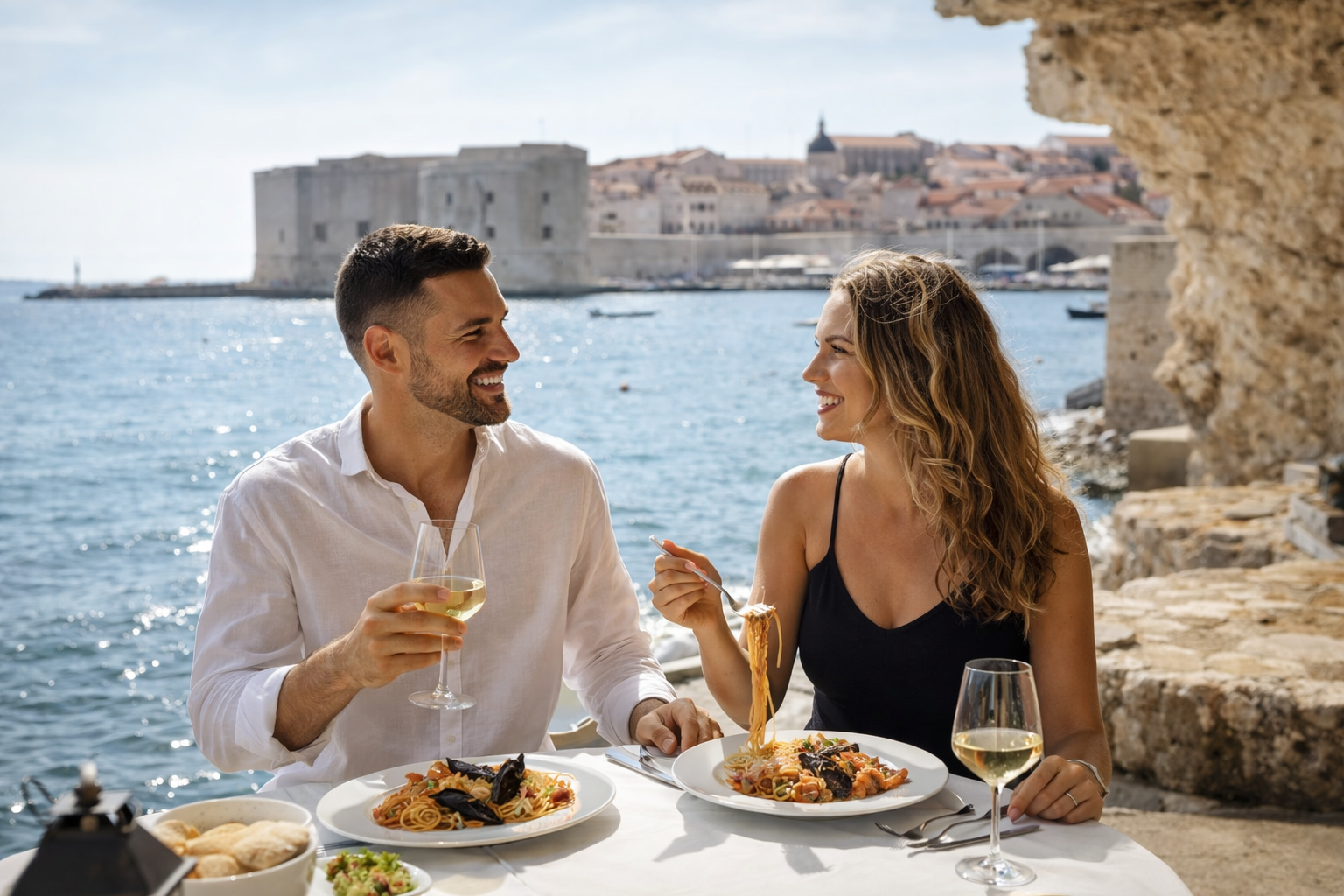
Croatian coastal food is not complicated. It doesn't need to be. When your fish was in the Adriatic four hours ago, your olive oil comes from trees you can see from the restaurant, and your wine is made from grapes grown on sun-drenched cliffs overlooking the sea — simplicity is a flex, not a compromise.
What you're eating along the Dalmatian coast is centuries of Italian, Greek, and Roman influence layered over a deeply local seafood culture. The result is food that feels familiar enough to be immediately lovable and distinct enough to make you want to understand it. Here's your cheat sheet.
The Dishes
Order the black risotto. Non-negotiable.
Crni rižot — black risotto made with cuttlefish ink — is the dish of the Dalmatian coast and the one I will not let you leave without trying. It's deeply savory, slightly briny, rich in a way that's hard to describe and impossible to forget. It sounds intimidating. Order it anyway. Pair it with a glass of plavac mali and reconsider every risotto you've had before this moment.
Peka: the dish that requires advance planning and absolutely rewards it.
Peka is slow-cooked lamb or octopus buried under a cast-iron dome covered in hot embers for several hours. You typically have to order it a day ahead because it genuinely cannot be rushed. The result is impossibly tender, smoky, and the kind of meal where the table goes quiet for a few minutes. When you see it on a menu, call ahead. This is not a drill.
Ston oysters: make the detour.
Mali Ston Bay, about an hour from Dubrovnik, produces some of the best oysters in Europe. Clean, briny, served simply with lemon. If you have even a passing interest in oysters, make the trip. Eat them right at the source. Order more than you think you need.
Šporki makaruli: Dubrovnik's "dirty pasta" with a history.
The name translates to "dirty pasta" — beef slow-cooked in a cinnamon and wine sauce, tossed with macaroni. It dates back to Dubrovnik's aristocratic era, when nobles ate the beef and passed the rest down to their servants to mix into pasta. Hence: dirty. It's one of those dishes where the history makes it taste better.
Start every meal with pršut and Pag cheese.
Dalmatian pršut is Croatia's answer to prosciutto — salt-cured, wind-dried, slightly smoky, and exceptional. Pag cheese is a hard sheep's milk cheese from the island of Pag, sharp and distinctive, that gets better with age. Together, with crusty bread and local olive oil, they are the perfect opening act for everything that follows.
The Wines
Croatia has been making wine for over 2,500 years; the Greeks brought viticulture to Hvar and Vis before Rome was even an empire. The wines you'll drink along the Dalmatian coast are made from indigenous grapes that exist basically nowhere else in the world, and they are genuinely worth paying attention to.
Plavac Mali — the red you need to know.
Croatia's flagship red grape, grown on steep sun-blasted slopes along the Dalmatian coast, particularly on Hvar, the Pelješac Peninsula, and the island of Brač. Bold and full-bodied, with dark cherry, dried figs, and a hint of smoke. Here's the fun fact: plavac mali is genetically related to Zinfandel. If you already love a big Zin, you're going to find this immediately familiar and significantly more interesting. The best bottles come from Dingač and Postup on the Pelješac Peninsula, if you spot either on a menu, order them.
Pošip — the white that will surprise you.
An indigenous white grape from the island of Korčula, crisp and aromatic with apple, citrus, and a subtle almond finish. It is the correct answer to "what do I drink with grilled branzino on a hot afternoon in Hvar." Light, clean, completely drinkable. This is your daytime wine and it is excellent.
Prošek — the dessert wine worth knowing about.
Not to be confused with Prosecco (they've had that argument). Prošek is a traditional Dalmatian dessert wine made from raisined grapes, dense, sweet, complex, with caramel and dried fruit notes. Sip it slowly after dinner. It closes a meal the way Croatia closes a day: unhurried and golden.
The short version: eat at konobas, family-run traditional taverns with handwritten menus and three things on them. Order the black risotto in Dubrovnik, the slow lunch with pošip in Hvar, and the peka anywhere that offers it. Say živjeli (cheers) and mean it.
✦ · ✦
What the Guidebooks Skip
Hidden Gems Worth Building Into Your Itinerary
Every Croatia blog will tell you to walk the Dubrovnik walls and visit the Quiraing. They're right, do both. But here's what most people miss:
Lokrum Island (Dubrovnik) — a quick boat ride from the Old Town and a completely peaceful world away from the cruise crowds. Lush, quiet, beautiful.
Dubovica Beach (Hvar) — postcard-perfect cove that most people walk right past. Tucked away, worth the effort to find.
Stari Grad (Hvar Island) — older and quieter than Hvar Town, with a distinct unhurried atmosphere that the more glamorous parts of the island don't have.
Marjan Hill (Split) — panoramic views over the city and the sea without the crowd density of the palace.
Trsteno Arboretum (near Dubrovnik) — a Renaissance garden perched above the Adriatic that feels genuinely secret. Game of Thrones filmed here too.
Ston oysters — make the day trip from Dubrovnik and eat them right at the source. You will not regret it.
✦ · ✦
The Numbers
Croatia Honeymoon Budget & Timing
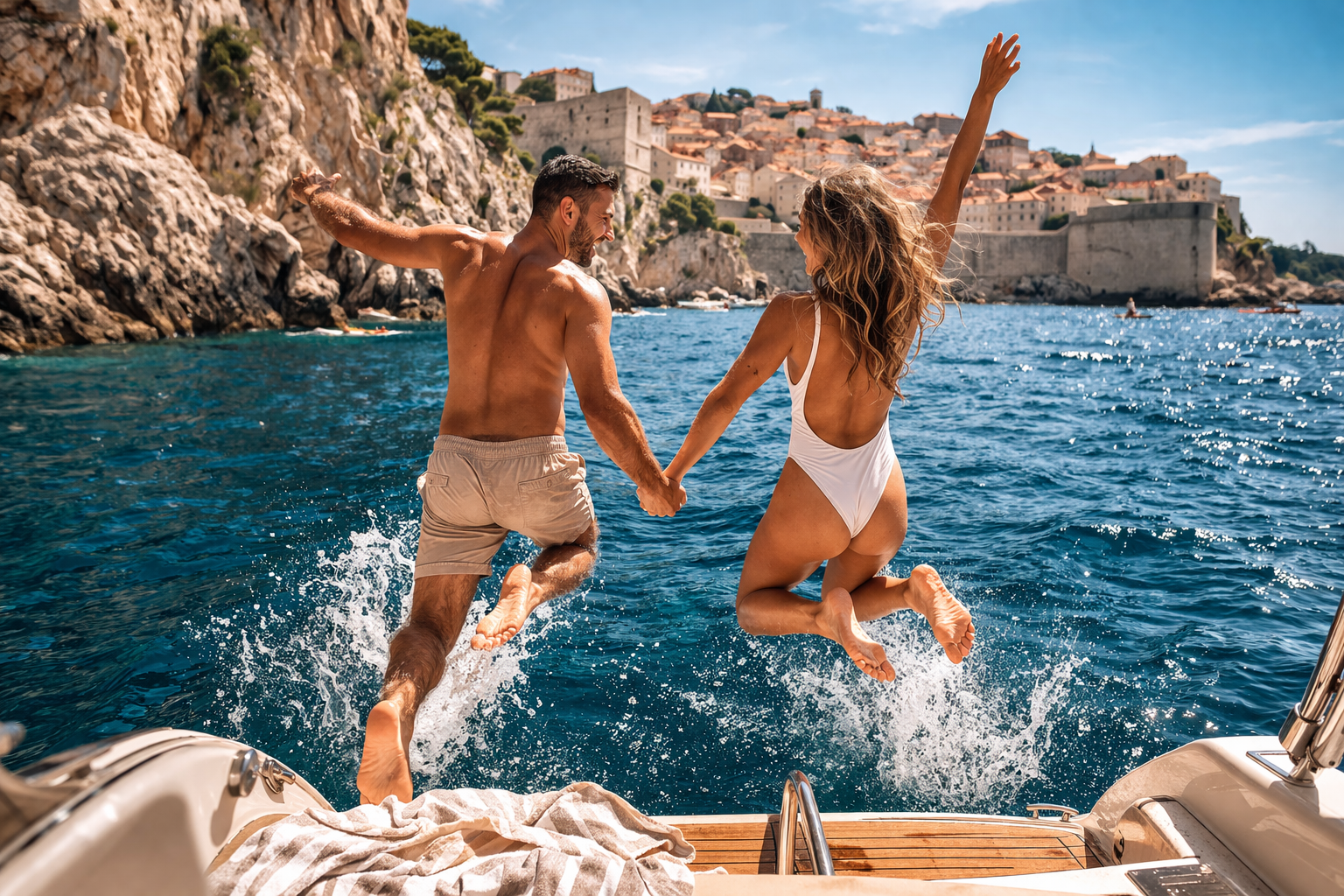
Most couples spend $12,000–$20,000 for 9–12 nights (land only), depending on property level and time of year. Croatia consistently over-delivers on value compared to Italy or the French Riviera — same coastal drama, better seafood, and a wine scene most people haven't caught on to yet.
Worth Splurging On:
A sea-view suite in Dubrovnik — the views earn every penny
A private or semi-private boat day around Hvar and the surrounding islands
A cliffside sunset dinner with a bottle of good plavac mali
A stay inside Diocletian's Palace in Split — the experience is worth it
A guided walking tour of Dubrovnik's Old Town — a great guide will change how you see the whole place
Where to Save Without Sacrificing:
Ferries over private transfers between cities — they're scenic and actually enjoyable
May–June or September travel for meaningfully softer pricing and lighter crowds
Family-run konobas over tourist-facing restaurants — better food anyway
Hotels slightly outside the Old Town in Dubrovnik for better value and sometimes even better views
One Note on Timing:
May–June and September are the sweet spots. The Adriatic is warm, the weather is sunny, and crowds are manageable. July and August are beautiful but cruise ship traffic in Dubrovnik peaks hard in summer and it affects the experience. If you're not specifically coming for a summer festival, avoid it.
✦ · ✦
Ready to Plan Your Croatia Honeymoon?
Dubrovnik gives you drama. Hvar gives you island glamour and the best glass of wine you've had this decade. Split gives you history so tangible you can put your hand on it.
Planning this well — timing the ferries, choosing the right hotel in the right part of each city, knowing which konoba to book three weeks in advance, finding the hidden cove that doesn't show up on the first page of Google — that's exactly what I do. You don't have to figure any of it out. That's the whole point.
FAQ
When is the best time to honeymoon in Croatia?
May–June and September. Warm water, sunny weather, lighter crowds, and meaningfully better pricing than peak summer. July and August are gorgeous but busier and more expensive — cruise ship traffic in Dubrovnik peaks then and it changes the atmosphere noticeably.
How many days do you need for a Dubrovnik, Hvar & Split honeymoon?
9–12 days. Spend 3–4 nights in each city, with extra days going toward wherever you want more time. Couples who try to squeeze this into 7 days almost always wish they hadn't.
Is Croatia a good honeymoon destination?
One of the best in Europe, in my completely non-objective opinion. Medieval cities, turquoise water, boutique hotels, and food and wine that will make you rethink every other coastal destination you've considered.
Is Dubrovnik too crowded for a honeymoon?
The midday cruise-ship hours can be busy, yes. The fix is simple: stay in the right area, time your wall walk for golden hour, and do your Old Town wandering in the morning or evening. Dubrovnik at night is deeply romantic and practically emptied of day tourists. The city absolutely rewards the couples who stay.
Should you visit Split or just Dubrovnik and Hvar?
Include Split. The experience of standing inside a working, living, 1,700-year-old Roman palace is unlike anything else in Europe. It rounds out the itinerary in a way that makes the whole trip feel complete — and it has one of Croatia's better airports for international connections.
Is Croatia expensive for a honeymoon?
$12,000–$20,000 for 9–12 nights (land only) is what most couples spend. Better value than the Amalfi Coast or French Riviera while delivering comparable coastal scenery and a genuinely stronger food and wine experience.
Do you need a car in Croatia?
No for Dubrovnik Old Town. No for Hvar Town — cars aren't even practical there. In Split you might want one for day trips, but the ferry connections between main destinations are excellent and significantly more pleasant than driving anyway.